

Search for "Green cars"
13 results
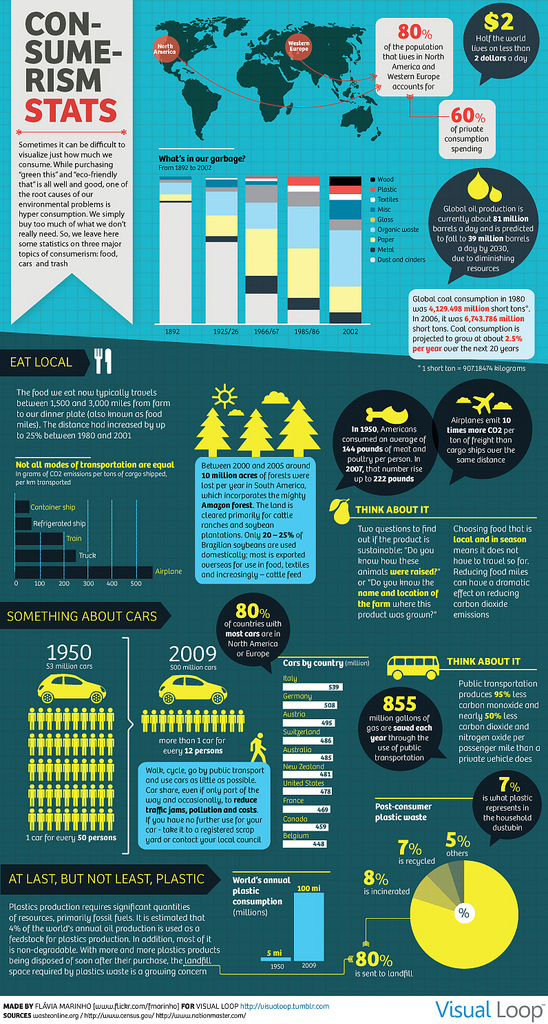
New Infographic Shows Our "Hyper Consumption"
Blog | by Lisa Mastny | August 19, 2011
One of the root causes of our environmental problems is hyper consumption. We simply buy too much of what we don't really need.

Small Steps to Help Your Child’s School Be More Healthy Today
Blog | by Terra Wellington | September 25, 2012
Parents, teachers, administrators, and students can work together toward improving a school’s health and sustainability.
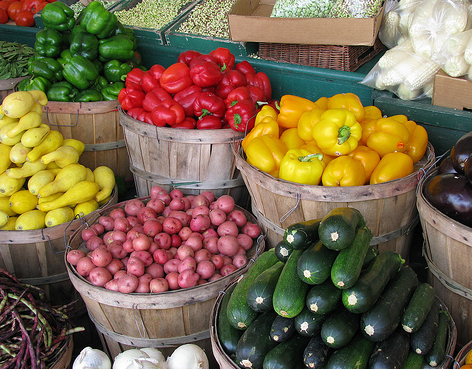
Financing to Fight Food Deserts
Blog | by Krislyn Placide | June 20, 2012
Pennsylvania’s Food Fresh Financing Initiative aims to help level the nutritional playing field in low-income areas.
What to do if your office doesn't recycle
Blog | by Kim | June 9, 2009

What Is "Enough"? Achieving the Right Balance in Our Lives and Families
Blog | by Suzita Cochran | December 5, 2011
Whether it’s a material item like shoes or a non-material one like free time, how do you know when you have enough of something?
How to Pay for the Kids College and Save the Environment
Blog | by Christopher | July 8, 2009

How Two Women Followed Their Passions and Became "Green Bag Ladies"
Blog | by Pamela Lamp | June 6, 2018
Since the founding of this nonprofit group in 2008, volunteer “bagettes” have cut, sewn, and given away more than 46,000 reusable cloth shopping bags.

A Smaller Piece of a Better Pie: Embracing "Luxurious Frugality
Blog | by Jake Giessman | November 27, 2012
Living simply shouldn't remain class-based or countercultural; it should be downright American.
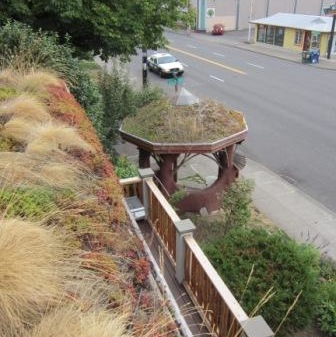
Bikes, E-Waste, Petlessness, Oh My! Reflections from Portland
Blog | by Erik Assadourian | September 30, 2011
This week I had the opportunity to visit Portland, and it was refreshing to see so many efforts to grow a sustainable culture wafting out of the Rose City. There were some scary trends oozing out from there as well. But let’s start with the positive:

Subways, Buses, and Backpacks: 6 Frugal Travel Strategies for Kids
Blog | by Suzita Cochran | July 9, 2012
For one Colorado family, this year's summer vacation was the ideal time to begin teaching the kids “feet-on-the-ground” travel.
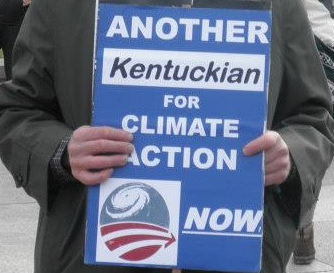
A Dream Alive: Finding Our Voice on Climate Change
Blog | by Patricia Tull | February 22, 2013
If longstanding bigotries can change, then surely we can change our mundane fuel sources. A climate rallier reflects on "people power" and progress.
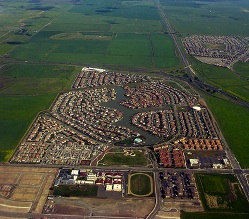
Finding Our Way Out of the Sprawl: An Interview with Mark Valentine
Blog | by Lisa Mastny | September 7, 2011
A sustainability consultant talks about the livability challenges facing U.S. communities today and the glimmers of hope he sees around the country.

Who’s Telling the Story? Consumer Culture and America’s Rural Communities
Blog | by Kate Parker | November 21, 2019
The commodification of rural life is happening across the country, from factory farming to agritourism. What are the costs of these changes and how can they support the people and communities that make a place what it is?